

Delivering world class medical care
Thyroid Testing is a vital diagnostic service used to evaluate the functioning of the thyroid gland, which controls metabolism, energy levels, body temperature, and hormonal balance. An imbalance in thyroid hormones can lead to conditions such as hypothyroidism or hyperthyroidism, affecting weight, mood, heart rate, and overall wellbeing. Through precise blood analysis, thyroid testing helps doctors detect abnormalities early and recommend appropriate treatment or lifestyle adjustments.
- Early Detection of Thyroid Disorders – Hypothyroidism & Hyperthyroidism
- Hormone Level Analysis – T3, T4, and TSH evaluation
- Supports Weight & Metabolism Monitoring
- Identifies
- Helps in Fertility & Menstrual Health Assessment
- Computerised Laboratory Accuracy – Reliable results
- Quick & Safe Blood Sample Collection
- Quick & Safe Blood Sample Collection
Advanced Hormone Analysis & Accurate Reporting
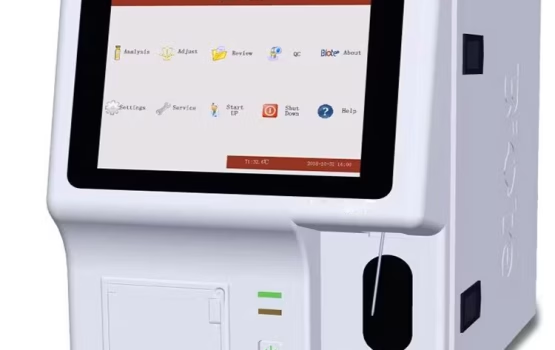
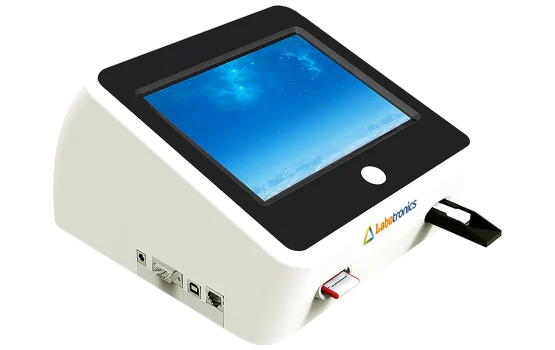
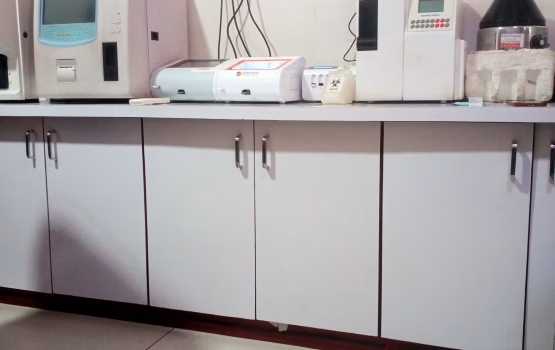
Our thyroid testing services are performed using fully computerised analyzers and high-precision laboratory equipment to ensure dependable and consistent results. The testing process involves a simple blood sample collected under hygienic conditions by trained professionals. Reports are generated quickly, allowing doctors to assess hormone balance and initiate treatment without delay.
With strict quality control measures, calibrated instruments, and experienced laboratory technicians, we ensure accuracy, safety, and confidentiality at every stage of the testing process. Thyroid screening is recommended for individuals experiencing unexplained fatigue, sudden weight changes, irregular heartbeat, or hormonal imbalance symptoms, as well as for routine preventive health check-ups.
Frequently asked questions
It measures T3, T4, and TSH hormone levels to evaluate whether the thyroid gland is functioning normally.
Individuals experiencing fatigue, weight fluctuation, hair fall, mood changes, or irregular periods, as well as those with family history of thyroid disorders.
Individuals experiencing fatigue, weight fluctuation, hair fall, mood changes, or irregular periods, as well as those with family history of thyroid disorders.
No. It involves a simple blood draw, similar to routine blood tests, with minimal discomfort.
Sample collection takes only a few minutes, and reports are usually available the same day or within 24 hours.
Generally fasting is not required, but your doctor may advise otherwise in certain cases.